

Grief is a highly personal and unique experience for everyone.
The process of grieving is deeply personal, which means each person reacts differently to the death of a loved one. Your instinct may be to reach out and connect. Your partner or friend’s instinct may be to retreat, distract themselves with work or hobbies, or just shut down. The important thing to remember is that there’s no wrong way to deal with grief.
The one exception is not dealing with it at all. That usually looks like avoiding and distracting yourself from the pain rather than moving through it. Sometimes that’s with things that look “healthy” on the surface, like work or exercise, and sometimes it’s with drugs, alcohol, gambling, TV, whatever numbs it.
Your relationship with the person you lost was unique, so the way you grieve them will be unique too. Sometimes the close friends and family you expect to show up for you don’t show up the way you hoped. Even your spouse or partner may not be able to give you the comfort you’re looking for. Often that just adds another layer to the pain you’re already carrying.
Relationships impacted by grief often change

It’s disappointing and hurtful when it feels like your relationships are falling short right when you need them most. But it’s worth remembering that your friends, family, or spouse are likely dealing with their own grief and their own process of mourning, even if it doesn’t look the same as yours.
It’s also important not to lean on your spouse for all of your comfort. It’s healthier for both of you, and it takes real pressure off your marriage, if you each have other people you can turn to for support.
Grief can put an incredible strain on your existing relationships. Who you are as a person is temporarily altered while you’re trying to cope with the loss and find your way forward.
Your close friends and loved ones may struggle with how you’re grieving, and that can cause them to pull away for a while. Maybe they’re used to seeing you as the steady one, the source of strength in their own life, and seeing you this vulnerable, especially while they’re carrying their own grief too, is more than they know how to hold.
Seek out new sources of support
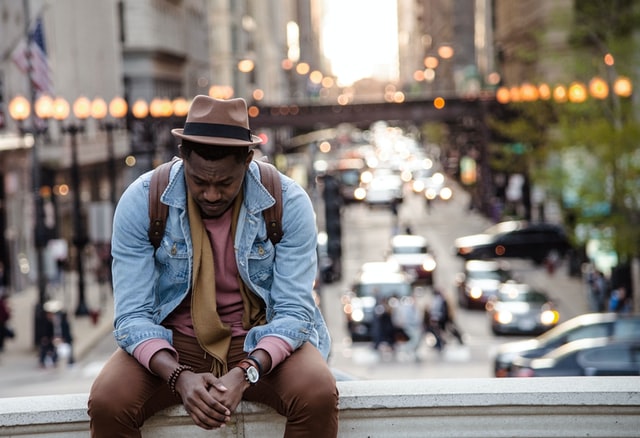
Maintaining relationships takes effort, and they’re vulnerable to the difficulties we face as we move through life. You may need to lean on distant family members, other friends or acquaintances, make new connections through a bereavement group, or seek out a well trained therapist to help you find some solace and understanding in your pain.
Grief and bereavement will change your relationships, but you can also expect some sense of normalcy to return as everyone finds their way through the loss over time. Forgiving the friends or loved ones who weren’t there for you the way you needed can be part of how you rebuild those connections.
James Killian, LPC is a Licensed Professional Counselor and the founder of Arcadian Counseling in Connecticut. He works with professional men navigating anxiety, relationships, fatherhood, and high-pressure careers. His approach is direct, grounded, and focused on helping clients regain steadiness and self-respect during demanding stages of life while blending psychological insight with real-world experience to support men in reclaiming clarity, strength, and purpose.